
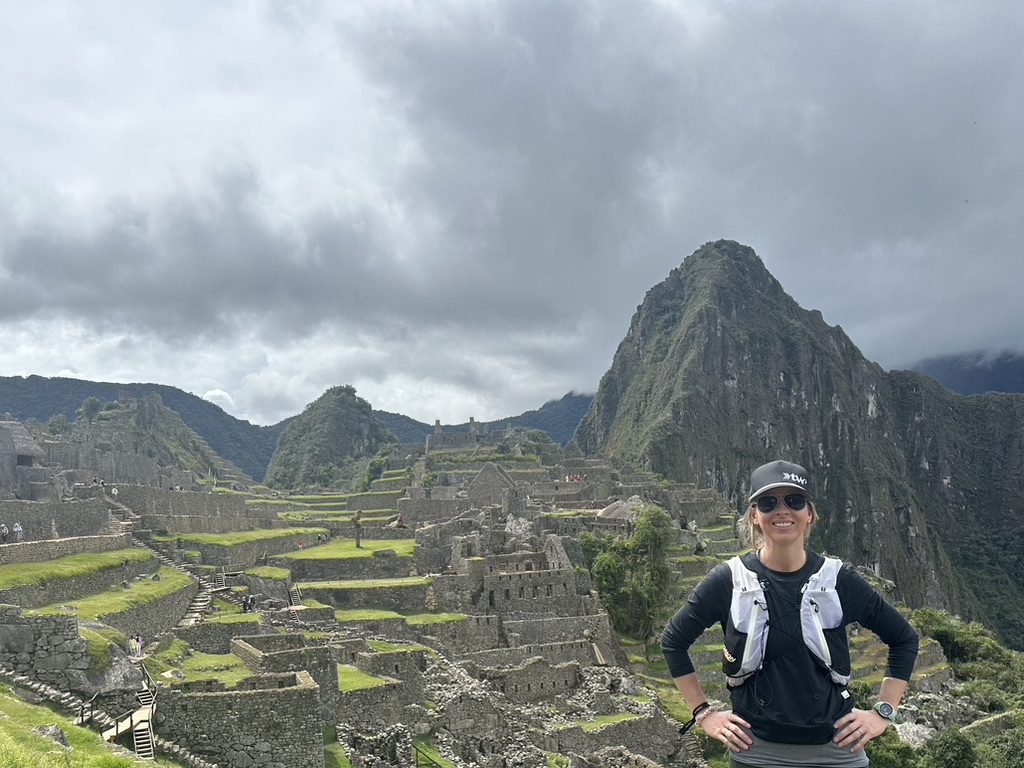
Exploring Peru’s Past: A Journey Through Inca History and Culture
One of the most fascinating aspects of traveling through Peru is how deeply interconnected each destination is through Inca history. While Lima itself was developed later during the Spanish colonial period, it serves as the gateway to the heart of the Inca Empire, which was centered in Cusco. From there, the Incas expanded into the fertile Sacred Valley, using it as an agricultural and strategic hub, and ultimately built extraordinary sites like Machu Picchu high in the Andes. Traveling through these regions, you can truly see the progression of Inca innovation—from farming terraces and villages to ceremonial centers—making the journey feel like a step-by-step immersion into one of the world’s most remarkable ancient civilizations.
Overall, Peru is one of those destinations that truly delivers on every level—history, food, landscapes, and unforgettable experiences—and this recent trip was the perfect example of how seamlessly it all comes together.
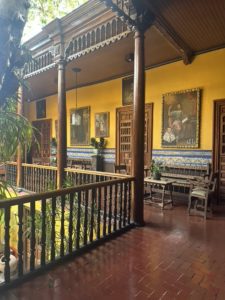
I began in Lima, a city that really surprised me with its depth and energy. I started with a private city tour focused on history, exploring colonial architecture, grand plazas, and the stories that shaped modern Peru. I spent the bulk of my time in the historic Plaza Mayor which is one of the city’s most important colonial landmarks. We toured the Casa de Aliaga, which is a colonial mansion built in 1535 by Captain Jerónimo de Aliaga, a companion of Francisco Pizarro, and has been continuously inhabited by the same family for nearly 500 years—making it the oldest house in the Americas still lived in by descendants of the original owner. I then visited Basilica and Convent of Santo Domingo, which is a beautiful complex that dates back to the 1500s and sits at the corner of Jirón Camaná and Jirón Conde de Superunda. It’s one of Lima’s most important religious and cultural sites, known for its intricate architecture, historic courtyards, art and artifacts, and deep ties to the city’s colonial history
That evening, I shifted gears to one of Lima’s biggest highlights—its food scene. A guided culinary tour through Miraflores and Barranco was a true standout. From incredibly fresh ceviche to local specialties like empanadas, anticuchos, lomo saltado and washed down with their national cocktail a pisco sour. It was a great way to find hidden neighborhood gems, it was not only delicious but also such a fun way to experience the city. Barranco, in particular, has a cool, artistic vibe that I absolutely loved.
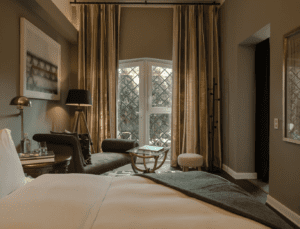
I stayed a the Atemporal Hotel in Lima, Peru which is a stylish boutique property in the heart of Miraflores, known for its thoughtful design, intimate scale, and relaxed sophistication. Housed in a beautifully restored building with elegant contemporary architecture, the hotel blends modern lines with warm materials like wood, stone, and lush greenery, creating a serene urban oasis. With just 20 thoughtfully appointed rooms and suites, Atemporal offers a personalized, low-key luxury experience that feels more like staying in a private residence than a typical hotel. One of its standout features is the tranquil back garden, a hidden retreat framed by tropical plants and shaded seating areas—perfect for breakfast, an afternoon coffee, or a quiet moment away from the city bustle.



Where to Stay in Lima:
Miraflores Park, A Belmond Hotel
Intercontinental Real Lima Miraflores
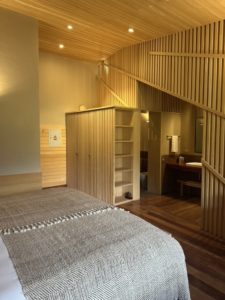
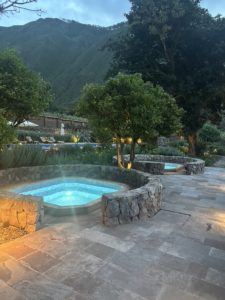
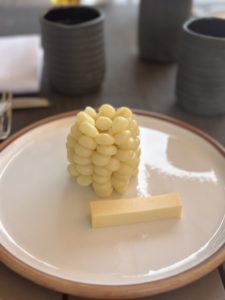
From Lima, I flew to Cusco and transferred directly into the Sacred Valley, which I highly recommend as a way to ease into the altitude. I stayed at Explora Valle Sagrado, which is truly an experience in itself. The lodge offers an all-inclusive, adventure-focused approach, and the guides were exceptional—they made every excursion feel thoughtful and immersive. I cannot say enough amazing things about my experience at Valle Sagrado. It is a lodge‑style retreat perfectly perched in Peru’s Sacred Valley, designed for travelers who want more active explorations in the surrounding areas-think hiking, biking and white water rafting. The property’s beautifully crafted architecture blends seamlessly into the landscape with natural stone, wood, and open living spaces that celebrate the region’s dramatic scenery. Every day is framed by expertly guided excursions—whether hiking ancient Inca trails, exploring salt mines and agricultural terraces, or discovering remote archaeological sites—each experience tailored to your pace and interests. The cuisine at Explora is thoughtful and regionally inspired, featuring fresh local produce and Peruvian flavors that fuel your adventures. After a day of exploring, I used their wellness area to truly relax and unwind. The outdoor pool and two jacuzzis are set against sweeping valley views and set in a beautiful garden, making it the perfect place to unwind after a day of exploring. The adjacent wellness facilities offer restorative treatments, massages, and holistic therapies designed to soothe tired muscles and enhance your overall journey.






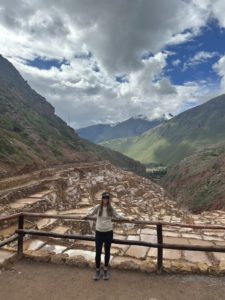
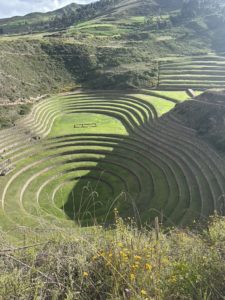
During my time in the Sacred Valley, I visited the fascinating agricultural terraces of Moray and the nearby Maras Salt Mines, both of which showcase the ingenuity of Inca engineering.




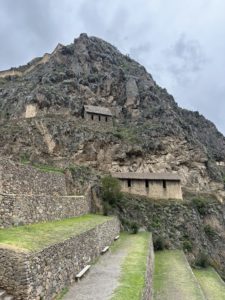
Ollantaytambo is one of the most charming and historically rich towns in Peru’s Sacred Valley, known for its beautifully preserved Inca layout and cobblestone streets that are still in use today. The impressive Ollantaytambo Ruins rise dramatically above the town, featuring massive stone terraces and temples that once served as both a ceremonial center and a strategic fortress.





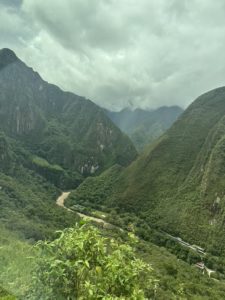
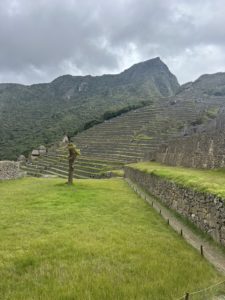
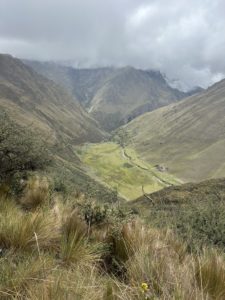
One of the most memorable days was taking the Vistadome Train to Machu Picchu. Arriving at this iconic site was every bit as incredible as I had imagined—the setting, the history, and the sheer scale make it a true bucket-list experience. While back in the valley, I also hiked Mount Veronica, which offered stunning views and some of the best alpaca sightings I’ve ever experienced!






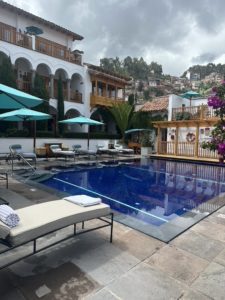
I wrapped up the journey back in Cusco visiting the beautiful Belmond Palacio Nazarenas and Monasterio properties that are located next to each other. These properties were some of the most stunning and unique hotels I have ever experienced. Palacio Nazarenas is a former monastery built atop the foundations of a former Inca palace, the property beautifully weaves together original Incan stonework with colonial architecture, creating a truly unique cultural experience in a luxury hotel. Throughout the property, original aqueducts from the Inca palace are still in use—a remarkable testament to the ingenuity, craftsmanship, and engineering of the Inca civilization. Just next door, its sister property, Monasterio, offers another stunning example of restored historic architecture and can be easily enjoyed for dining or a visit. It was the perfect setting to unwind and reflect on an incredible trip.


Where to Stay in Cusco:
Palacio Nazarenas, A Belmond Hotel
Peru is an incredibly rewarding destination, filled with rich history, diverse landscapes, and unforgettable cultural experiences—but it’s also a place where thoughtful planning truly makes a difference. With multiple regions, varying altitudes, and detailed logistics to coordinate, having everything seamlessly arranged can elevate the entire journey and make it truly unforgettable!